
Description
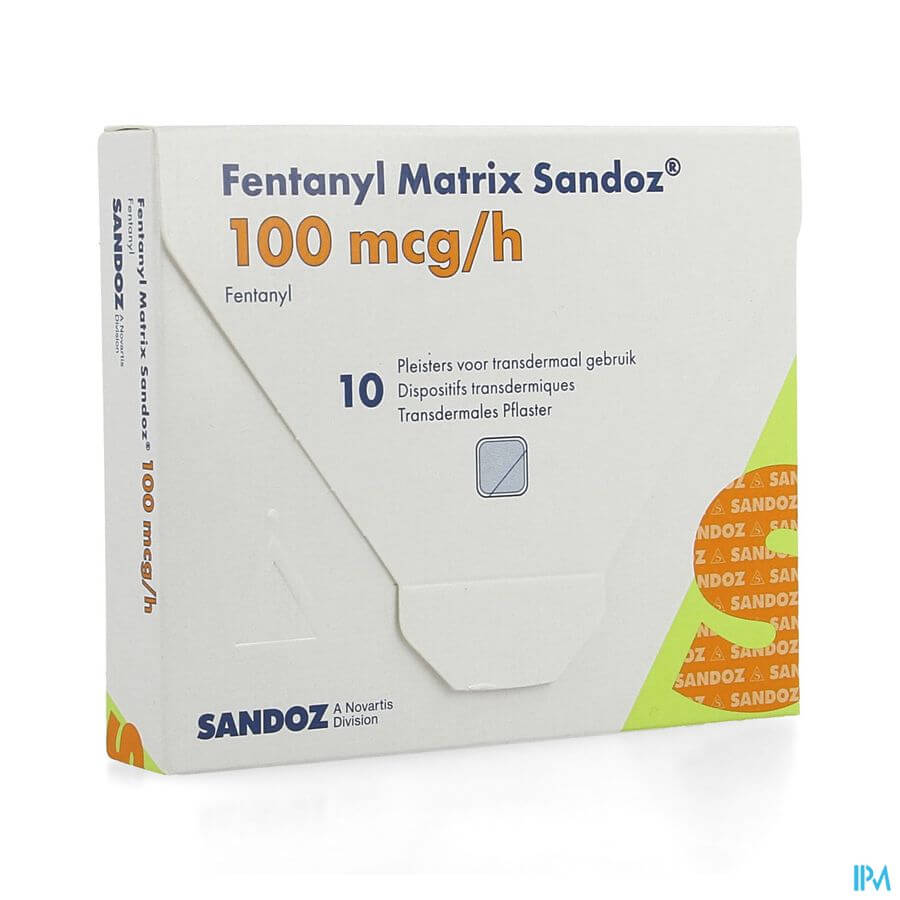
Fentanyl 100mcg Tablets
Overview
Fentanyl is a powerful synthetic opioid analgesic used in specific clinical settings for the management of severe pain. Due to its potency, fentanyl is generally reserved for carefully selected patients under close medical supervision. It is significantly stronger than many other opioid medications and is subject to strict prescribing and dispensing regulations worldwide.
Healthcare professionals may prescribe fentanyl only when clinically appropriate and after evaluating a patient’s medical history, opioid tolerance, treatment goals, and potential risks.
How Fentanyl Works
Fentanyl acts on opioid receptors within the brain and central nervous system. These receptors influence the body’s perception of pain. By activating these receptors, fentanyl can alter pain signaling pathways and provide analgesic effects in appropriate clinical circumstances.
Because fentanyl is highly potent, dosing requires careful medical oversight and ongoing monitoring.
Key Characteristics
- Potent synthetic opioid medication
- Prescription-only medicine in most jurisdictions
- Used for specific severe pain management situations
- Requires professional medical supervision
- Subject to strict regulatory controls
- Associated with significant safety risks
- Not suitable for all patients
Clinical Applications
Severe Pain Management
Fentanyl may be considered by healthcare professionals in specific cases involving severe pain when other treatment approaches are not sufficient or appropriate.
Specialist Medical Care
Use of fentanyl often occurs within specialist pain-management programs, oncology settings, and other carefully monitored healthcare environments.
Ongoing Monitoring
Patients receiving fentanyl generally require regular clinical assessment to evaluate effectiveness, safety, and potential adverse effects.
Safety Information
Common Side Effects
Potential side effects may include:
- Drowsiness
- Dizziness
- Nausea
- Vomiting
- Constipation
- Fatigue
Serious Risks
Important risks associated with fentanyl include:
- Respiratory depression
- Overdose
- Physical dependence
- Opioid use disorder
- Drug interactions
- Potentially life-threatening complications
Interactions
Combining fentanyl with alcohol, sedatives, sleeping medications, benzodiazepines, or other opioids may increase the risk of serious adverse effects.
Availability
Availability varies according to national regulations and prescribing requirements. Fentanyl products are generally available only through licensed healthcare professionals and authorized pharmacies.
Important Notice
Fentanyl should only be used under the guidance of qualified healthcare professionals. Individuals should never use fentanyl without a valid prescription or outside approved medical supervision.
Additional Information
For current prescribing information, safety updates, and clinical guidance regarding fentanyl, consult licensed healthcare professionals and official medical resources.

Reviews
There are no reviews yet.